

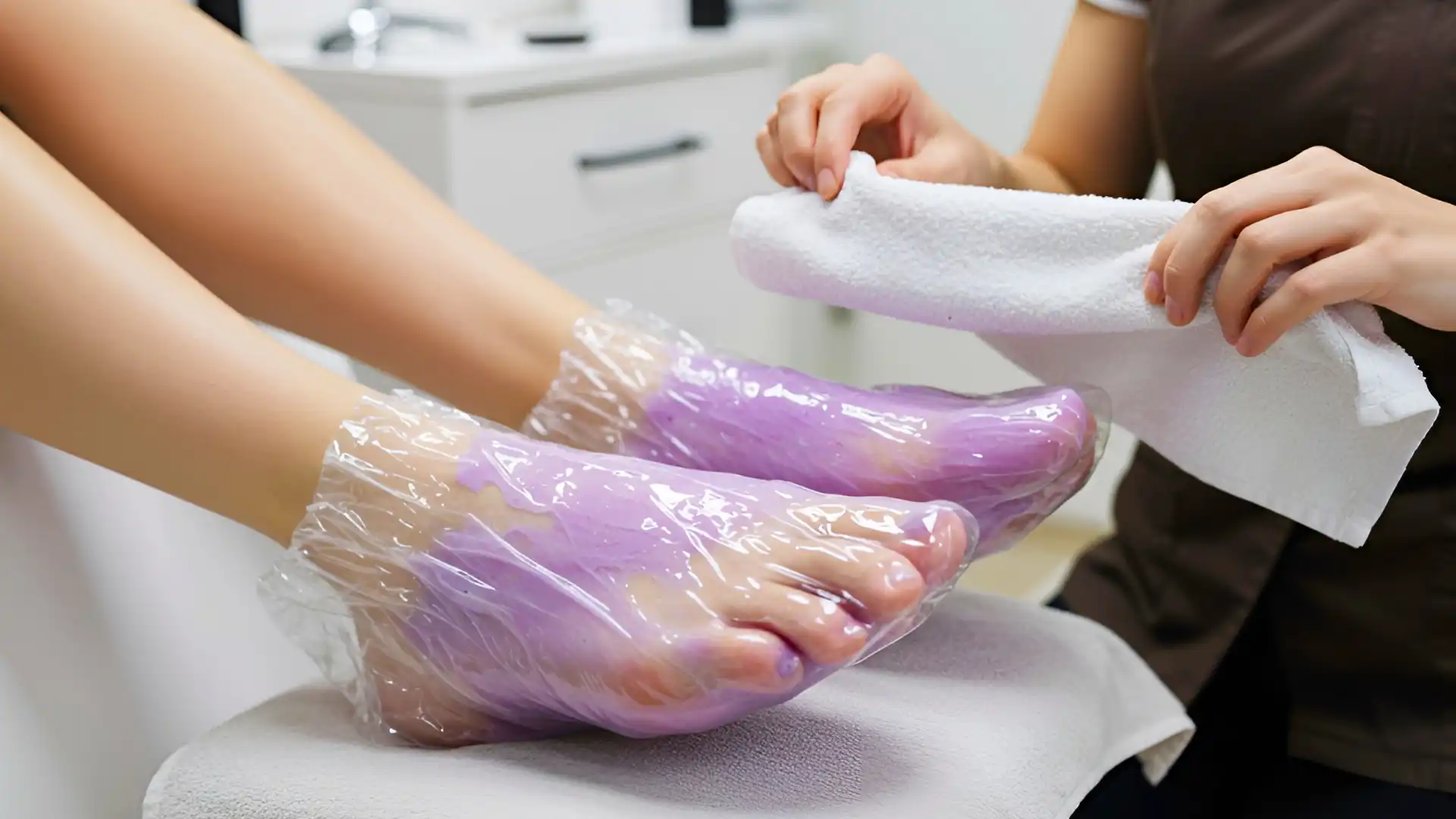
Petroleum jelly for feet is one of the most practical, low-risk solutions for dry, cracked, and damaged skin—especially when feet are exposed to hard floors, safety shoes, long standing hours, or dry climates. From an industrial perspective, petroleum jelly works because it creates a stable, semi-occlusive barrier that prevents moisture loss while allowing the skin’s natural repair process to continue. This is not a “beauty trend.” It’s a materials-based solution rooted in how hydrocarbons interact with skin surfaces.
In factories, warehouses, and even shipping yards, we’ve seen workers use petroleum jelly on their feet for one simple reason: it works consistently, cheaply, and safely.
Why Feet Suffer More Than Other Skin Areas
Feet are structurally different from hands or face:
Thicker stratum corneum (outer skin layer)
Fewer oil glands
Table of Contents
ToggleConstant pressure and friction
Exposure to heat, dust, and dehydration
Once cracks form—especially on heels—skin repair slows down unless moisture loss is controlled. This is where petroleum jelly and paraffin-based products show their strength.
Paraffin Wax on Feet: What It Really Means
When people talk about paraffin wax on feet, they often imagine spa treatments. In reality, paraffin wax and petroleum jelly are closely related petroleum derivatives with different physical forms.
From a material standpoint:
Petroleum jelly = semi-solid hydrocarbon blend
Paraffin wax = solid, crystalline hydrocarbon
Both are moisture barriers, not moisturizers themselves.
When paraffin wax is applied to feet (usually melted and cooled), it performs the same core function as petroleum jelly:
It seals moisture inside the skin
The difference is control and safety. Petroleum jelly can be applied cold, directly, and daily—making it more practical for home and industrial use.
Paraffin Wax for Feet Benefits (From a Practical View)
The benefits of paraffin-based products for feet are mechanical and physiological, not cosmetic.
Key Benefits
Prevents transepidermal water loss (TEWL)
Softens thickened heel skin over time
Reduces cracking and micro-fissures
Protects damaged skin during overnight recovery
Improves comfort in safety boots and closed shoes
In industrial environments, we often recommend petroleum jelly instead of hard paraffin treatments because it doesn’t require heating or special equipment.
What Does Paraffin Wax Do for Your Feet?
Let’s be clear and technical.
Paraffin wax (and petroleum jelly by extension) does not:
Add water to the skin
Heal wounds directly
Replace medical treatment for infections
What it does:
Forms a hydrophobic film
Slows evaporation of existing skin moisture
Creates ideal conditions for skin regeneration
Think of it like wrapping insulation around a pipe—it doesn’t create heat, it keeps heat from escaping. The same logic applies to skin moisture.
How to Use Paraffin Wax for Feet (Industrial-Safe Method)
If you’re using petroleum jelly instead of melted paraffin wax (recommended for safety and daily use), follow this method used by workers and technicians:
Step-by-Step Application
Clean feet thoroughly
Remove dust, sweat, and residues. Dry completely.Optional: Light hydration
Apply a small amount of water or glycerin-based lotion first (this provides moisture to seal in).Apply petroleum jelly generously
Focus on:Heels
Ball of foot
Cracked areas
Sides of toes
Cover with cotton socks
This prevents slipping and improves absorption overnight.Leave for 6–8 hours
Best applied before sleep.
Frequency
Daily for severe cracks
2–3 times per week for maintenance
This method achieves the same moisture-retention effect as paraffin wax baths without heat risk.
Petroleum Jelly vs Paraffin Wax Treatments for Feet
| Aspect | Petroleum Jelly | Paraffin Wax Bath |
|---|---|---|
| Application | Cold, direct | Heated |
| Safety | Very high | Moderate |
| Daily use | Yes | No |
| Equipment | None | Required |
| Industrial practicality | Excellent | Low |
In real-world logistics and labor environments, petroleum jelly is always the preferred option.
Common Mistakes People Make
From experience, these are frequent errors:
Applying petroleum jelly to dirty or wet feet
Walking barefoot after application (slip hazard)
Expecting instant healing without consistency
Using scented or cosmetic-grade blends with additives
Pure, pharmaceutical-grade petroleum jelly performs best.
Who Should Use Petroleum Jelly for Feet?
Based on real usage patterns:
Factory and warehouse workers
Drivers and logistics staff
Construction and oilfield workers
People with dry climate exposure
Anyone with recurring heel cracks
It’s also commonly used preventively—not just for treatment.
Final Practical Insight
Petroleum jelly for feet is not a trend, a spa trick, or a beauty hack. It’s a materials solution—simple, stable, and proven across decades of industrial and household use.
If you understand what paraffin wax does for your feet, you understand why petroleum jelly remains the most reliable option:
no heat, no complexity, just controlled moisture retention and protection.
That’s why it’s still used—from factories to homes—without replacement.
